

Imagine an army marching silently in the depths of our gut! This army consists of many trillions of tiny soldiers, invisible to the naked eye. They are the gut microbes, fighting day after day in defence of our body. When all is well, the gut flora and the immune system form a harmonious alliance, standing guard together over our health. But what happens if these tiny allies lose a battle? If the balance of the gut flora is upset and the "bad guys" gain the upper hand, our body can become the scene of an invisible war, which may lead to the development of serious diseases such as colorectal cancer.
A study published in 2023 brought a surprising twist to this story: it turned out that faecal microbiota transplantation (FMT) — that is, transplanting the gut bacteria of a healthy donor — is able to inhibit the spread of colorectal cancer, at least in mice. How is it possible that something we usually flush down the toilet could in fact serve as a life-saving "medicine"? Let us take a closer look at how this strange but promising intervention works, and what secrets the gut flora reveals about the fight against tumours.
The human gut is a real hive of activity: home to thousands of bacterial species whose combined mass can reach as much as one and a half kilograms, and whose cell count can grow to ten times the number of all the cells in our body. These microbes live peacefully with us, aiding digestion, producing vitamins and training the immune system — in return we provide them with living space and nutrients. The fragile balance between the gut flora and the host is called microbiome homeostasis, which is essential for preserving our health. If this balance is upset — for example due to excessive antibiotic use, an unhealthy diet or infections — then dysbiosis can occur. In this case bacteria that can trigger inflammation or other harmful processes may proliferate, while the beneficial microbes are pushed into the background.
The gut flora of colorectal cancer patients really does differ from that of healthy people. Certain bacteria, such as Porphyromonas, Enterococcus, Streptococcus or Peptostreptococcus, are found in much greater quantities in the gut of cancer patients, while beneficial species such as Roseburia — known for producing butyrate (butyric acid) — increasingly disappear. Moreover, researchers have already identified microbes with an outright carcinogenic effect. Some bacteria possess an arsenal that helps them in tumour formation: for example, Streptococcus bovis biotype I can be linked to colon tumours, as it is able to burrow between the cells of the intestinal wall and hide from the immune system. Another example is an insidious E. coli strain harbouring the gene island called pks — this encodes a toxin that damages DNA, thereby promoting cancerous "degeneration". Bacteroides fragilis can be similarly dangerous, producing a toxin that causes chronic inflammation and genetic damage in the gut. These "bad guys" in fact exploit the chaos caused by dysbiosis: they break down the protective mucus layer, burrow into the intestinal wall and stir up inflammation — all of which creates fertile ground for a tumour. Fortunately, the story has positive heroes too, such as the protective bacteria. These include the Lactobacillus plantarum and Lactobacillus acidophilus strains, which produce useful substances such as lactic acid and vitamins. These bacteria help to preserve the integrity of the mucosa and inhibit tumour formation. Fibre-degrading, butyric-acid-producing types also belong here, such as the Lachnospiraceae family and Roseburia. Butyric acid is not only the main nutrient source of the colon's cells but also has an anti-inflammatory effect, since it inhibits the signalling pathways that stimulate tumour-cell growth. Lachnospiraceae bacteria also strengthen the "tight junctions" of the intestinal wall and boost the production of protective mucus, thereby reinforcing the lines of defence. If these friendly microbes are pushed into the background, the intestinal wall becomes defenceless and inflammation runs wild; but if they are present in sufficient numbers, they can contribute to maintaining an anti-tumour microclimate.
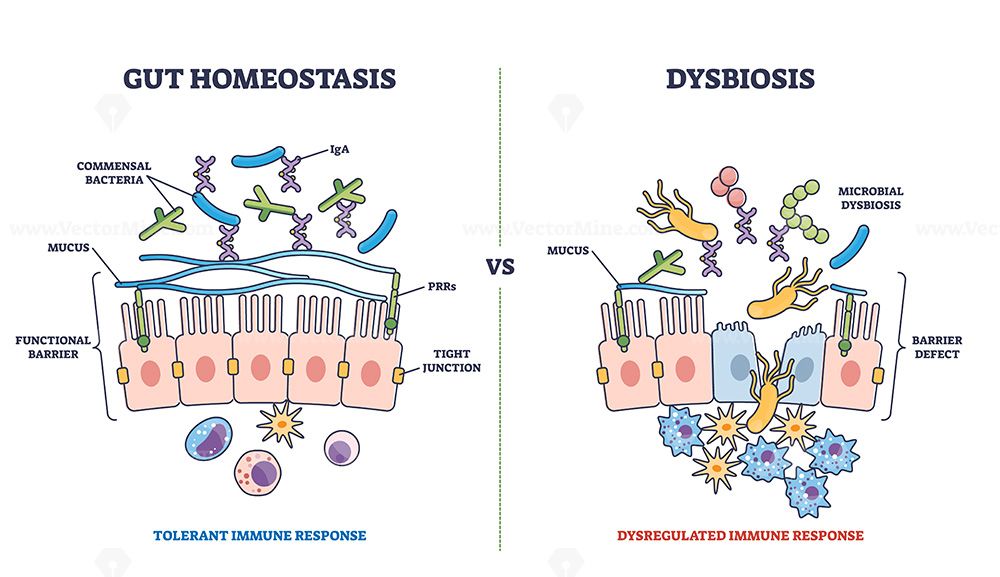
An exciting question formed in the minds of scientists in the wake of the latest discoveries: if the disruption of the gut flora's balance can contribute to the development of cancer, might its restoration help to curb tumours that already exist? Although the traditional treatments for colorectal cancer — such as surgery, chemotherapy and radiotherapy — can be life-saving, they often act as a double-edged sword: while destroying tumour cells, they can also damage healthy cells, weaken the immune system and often come with serious side effects. In addition, cancer can often recur or become resistant to chemotherapy. This is why medicine is constantly searching for new solutions. Focusing on the gut microbiome — however unusual it may sound — is a logical step: what if we healed not only the tumour but the gut flora itself? This is where the idea of faecal microbiota transplantation comes in.
Hao Yu and colleagues (Harbin Medical University, China) put the above idea to the test in an elegant experiment. They took a group of male laboratory mice and, with the help of chemical agents, induced colorectal cancer in them while also severely disrupting their gut flora. This is an established model: with the combination of the carcinogen AOM and the inflammatory agent DSS, several tumour foci develop in the colon within a few weeks, similar to human colorectal cancer, and meanwhile the gut's microbial community is thrown out of balance (dysbiosis develops). Once this "cancerous mouse model" had been created, the experimental animals were divided into three groups. The first group received no special treatment; the mice in the second group received only sterile fluid (saline) into the colon in the form of an enema, while the third group received a faecal microbiota transplantation in the same way. For the latter, a "bacterial cocktail" was prepared from the fresh faeces of healthy mice with a normal gut flora, and this was introduced into the gut of the cancerous mice regularly, over nine weeks, every three days. The essence of the idea was to settle the invisible army of the healthy animals into the gut of the sick mice, in the hope of thereby reversing the fate of the tumour.
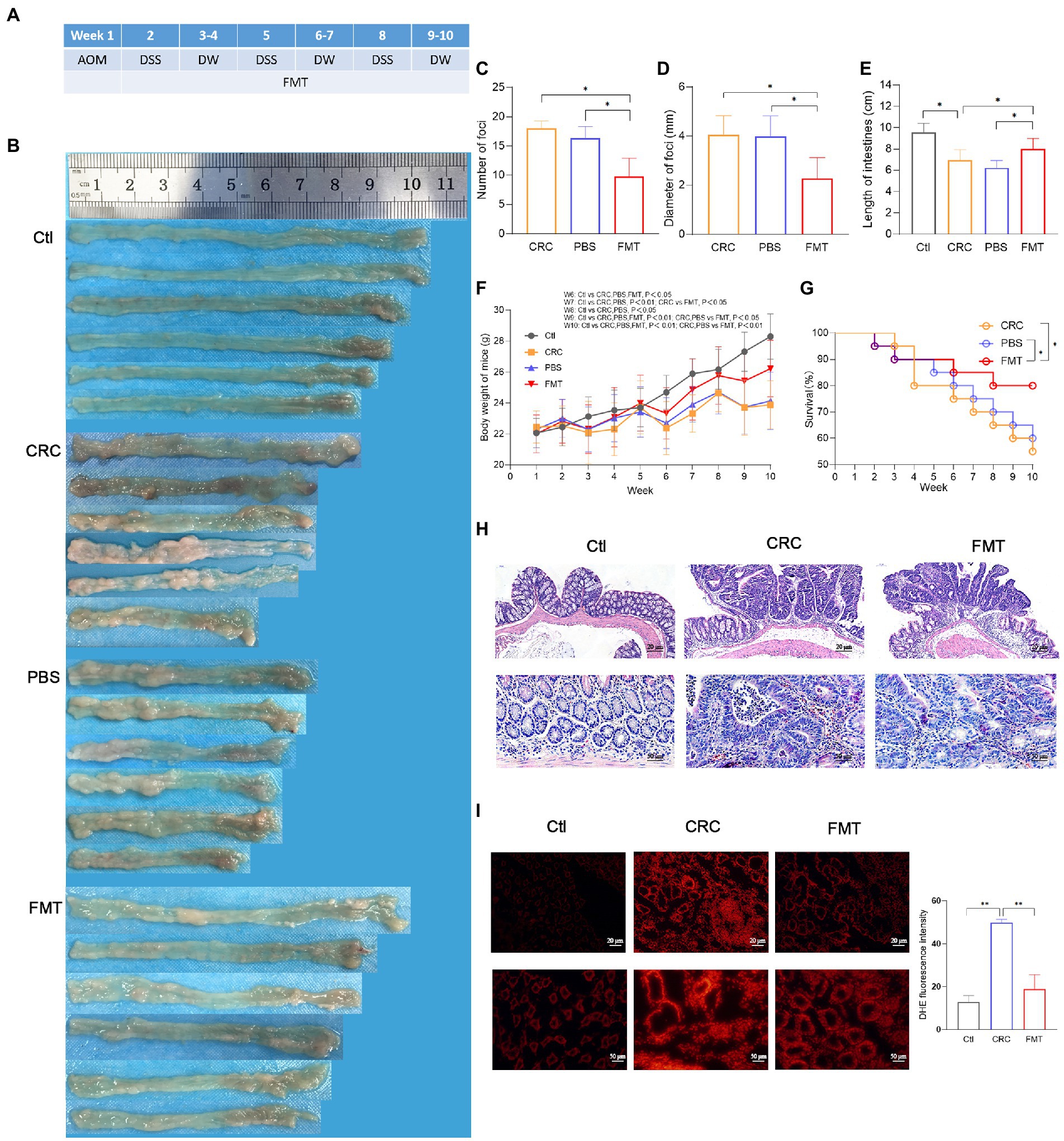
The results indeed confirmed expectations. In the gut of the FMT-treated mice, fewer and smaller tumours developed than in the untreated group — both the number and the size of the tumour foci decreased significantly. Moreover, the general condition of the treated animals was much better: they lost less body weight and lived longer during the course of the colorectal cancer than the mice that did not receive a healthy gut flora. Microscopic examination revealed that FMT protected the intestinal tissues from severe inflammation and restored the normal tissue structure. It was as if the transplanted bacteria had curbed the growth of the tumour. The researchers were thus the first to demonstrate that transplanting a healthy gut flora is indeed able to prevent the progression of colorectal cancer in a living animal model.
The question arises: what could have happened in the mice's gut? How did the gut microbiota of the animals in which the tumour slowed down differ from those in which the cancer ran rampant? The researchers thoroughly examined the DNA extracted from the mice's faecal samples to find out which bacteria live in their gut. The results clearly showed that FMT literally reversed the dysbiosis. The initially "collapsed" gut flora of the cancerous mice gradually began to resemble that of a healthy mouse.
While the gut of the untreated colorectal cancer mice was dominated by a few harmful bacteria, in the treated animals these were pushed back. For example, one dominant "parasitic" bacterium, Akkermansia muciniphila — which is fundamentally often beneficial, because it supports the renewal of the intestinal mucus layer and metabolic balance — made up an astonishing roughly 40% of the entire microbial community in the cancerous mice. In such an excessive proportion, however, it no longer protects but breaks down the mucus layer covering the intestinal wall, thereby opening the way to inflammation and to carcinogenic factors. After FMT only a fraction of this proportion remained, which shows that health depends not only on the presence of individual bacteria but also on their proper balance! A similar trend appeared with other harmful genera: the Bacteroides overgrowing in the cancerous mice (including the aforementioned B. fragilis) and the bacteria belonging to the Escherichia coli group — which together made up a further ~20% of the flora — decreased significantly in the treated animals. This is good news, since we know that these microbes can play a role in tumour growth: Bacteroides species, for example, release DNA-damaging substances and inflammatory metabolites, while some E. coli strains can cause persistent, chronic inflammation that can feed the tumour. As a result of the faecal transplant, these "cancer-friendly" bacteria therefore retreated, breaking their dominance in the gut.
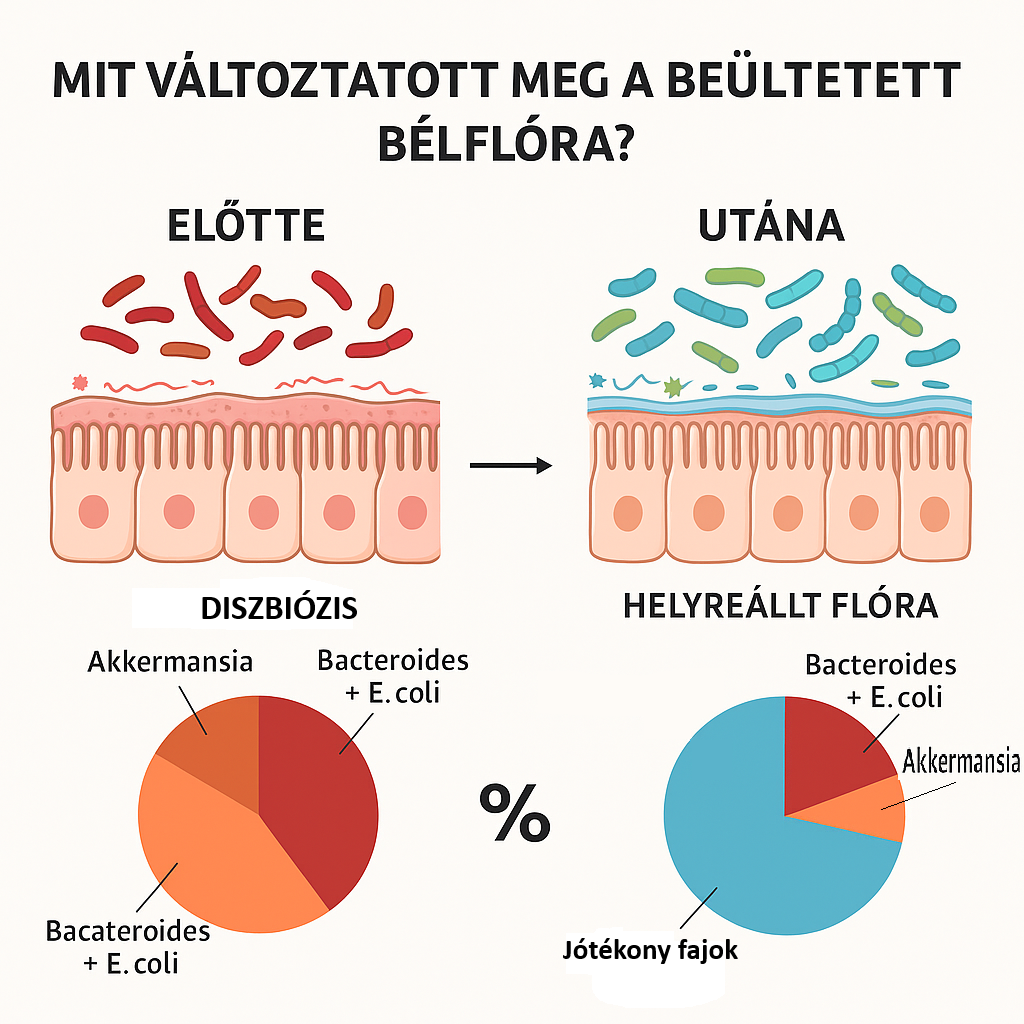
Meanwhile the beneficial bacteria returned. In the gut flora of the treated mice, the types found in the gut of a healthy mouse reappeared and multiplied: Lactobacillus, Alloprevotella, the Ruminococcaceae and Lachnospiraceae families, Muribaculum, Anaeroplasma, Roseburia, and many others — all names that indicate the stability of the microbial community. These "good guys" set about keeping order again: they produce the protective short-chain fatty acids (such as butyric acid), help the intestinal wall to regenerate, and crowd out pathogens. It is worth noting that not all beneficial bacteria settled in permanently right away — certain species (such as Alloprevotella or some Ruminococcus-related bacteria) colonise with difficulty, so several repeated transplantations might be needed to establish them. Nevertheless, most of the important players found their way, and the balance of the gut microbiota was being restored following FMT, tipping the internal ecosystem back into balance.
Restoring the gut flora is a great thing in itself, but in the fight against the tumour the key to the effect is what all this does to the immune system. The relationship between colorectal cancer and immune defence is like a game of chess: the tumour tries to outwit the body's defenders, to lull or disrupt the immune cells so that it can remain unnoticed. A successful therapy therefore often lies in how we can awaken the immune system and marshal it against the cancer. Well, FMT excelled at this too. In the colon of the treated mice the researchers observed a veritable immune-cell invasion. The tumour tissues were teeming with killer cells: lymphocytes such as CD8+ T cells (better known as cytotoxic T cells, the "killer T cells") and CD49b+ natural killer cells (NK cells), which can selectively destroy cancer cells. It was as if the transplanted beneficial bacteria had sounded the alarm for the body's defence units. At the same time, interestingly, the number of immune cells that usually keep excessive and aimless immune reactions in check decreased: the proportion of Foxp3+ regulatory T cells (Treg cells) declined. At first it may be surprising that the retreat of the "braking" cells is a good thing, but in tumours this is distinctly desirable: Treg cells often become allies of the tumour, inhibiting an overly active immune response and thereby protecting the cancer cells from the immune system. FMT therefore, as it were, released the brake and floored the accelerator in the immune system for the fight against the cancer. The change in the activity of the immune cells was also tracked at the level of the chemical messengers, the cytokines. In the gut of the untreated cancerous mice, the levels of several inflammatory cytokines were high — such as the interleukins IL-1α, IL-6, IL-12 and IL-17 — which unfortunately contribute to maintaining a tumour-friendly, chronically inflamed environment. As a result of FMT, however, the amount of these pro-inflammatory molecules decreased, and in parallel the level of IL-10 rose. IL-10 is an anti-inflammatory cytokine, a kind of "peace envoy" that helps to calm unwarranted immune reactions while also supporting effective defence. The fact that FMT increased the level of IL-10 while curbing the aggressive inflammatory signals suggests that restoring the gut flora created a more balanced, healthier immune milieu in the tumour's environment.
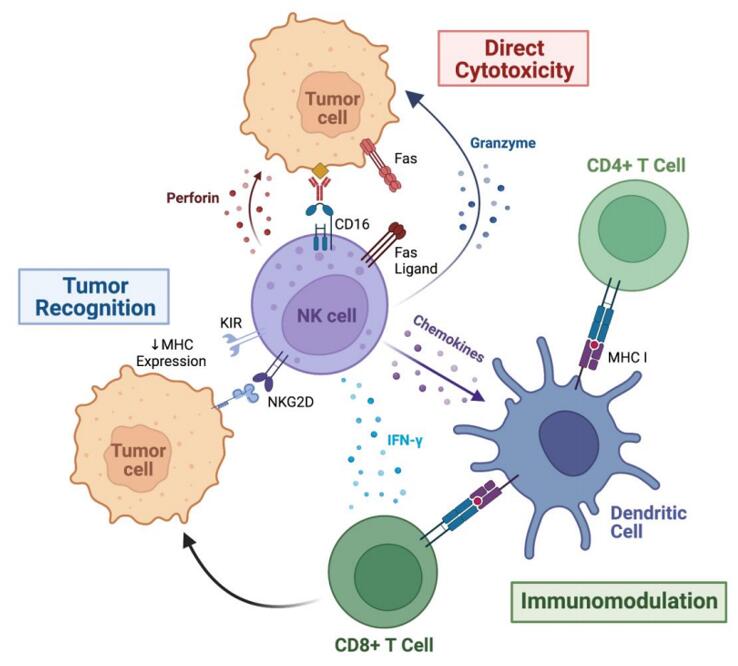
Further investigations showed that the treatment reset the traffic lights in the tumour microenvironment at the molecular level too. For example, the activity of the TGF-β and STAT3 proteins decreased, which normally enhance cell growth and immune suppression, and in the case of a tumour promote the survival of cancer cells. At the same time, the levels of TNF-α and IFN-γ increased, which play a role in the direct attack on tumour cells, promoting the killer activity of immune cells. Put more simply, the strengthened gut flora re-regulated the tumour's "communication network": it turned down the "do not harm the tumour" signals and amplified the "attack the tumour" commands. Thus the tumour became more vulnerable to the immune system.
All these changes — pushing back the harmful bacteria, multiplying the useful ones, calming the inflammation and awakening the immune defence — together led to the growth of the colorectal cancer slowing down in the FMT-treated mice. The experiment clearly demonstrated that the gut flora is not merely an extra but an active shaper of the fight against cancer.
These results hint at an exciting future. If a faecal transplant can have such a dramatic effect on the course of a deadly disease in mice, what might we achieve in humans? Of course, we must be cautious: what works in animal experiments cannot always be applied directly to human treatment. At the same time, FMT has already proven itself in other areas — for example, in the treatment of severe Clostridioides difficile infections, faecal transplantation has become a routine procedure when every other antibiotic fails. So we may justifiably hope that in the future the manipulation of the microbiome could also play a role in cancer therapy.
The present study conveys a truly important message: in the fight against colorectal cancer it is worth treating not only the tumour but also its environment — the gut ecosystem. FMT is essentially an ecological therapy that reintroduces the extinct native species, restores the natural balance, and allows the body's self-healing mechanisms to spring back into action. This is a completely different approach from traditional oncological methods, but this is precisely where its strength lies — and perhaps also in the fact that it may come with fewer side effects, since it acts "in cooperation with" the body rather than overriding it.
Naturally, a great many questions remain to be answered before cancer treatment derived from FMT truly becomes available. What is the ideal donor? Which bacterial composition is most effective against tumours? How can we ensure that the transplanted beneficial bacteria really persist and live long-term in the patient's gut? For how long and how frequently must the treatment be carried out for success? In the most recent mouse experiment, for example, the transplantation was repeated every three days for 10 weeks so that the introduced microbes would settle in stably — that is, so that colonisation would take place. It is obvious that in a human such long-term, frequent treatment is difficult to carry out, so it is important that we keep working on refining the method.
A new kind of treatment paradigm is taking shape on the horizon. It is conceivable that in a few years or decades, alongside chemotherapy and immunotherapy, microbiome therapy will also have a place in the treatment plan of colorectal cancer patients. Let us imagine that, on leaving the operating theatre, the patient receives not only infusions and tablets but also a cocktail of beneficial bacteria — say, in an easily swallowed capsule. This is not magic or science fiction but the logical step of biology: deploying the strength of our own invisible army for the sake of healing. For, as the present research also tells us, sometimes the smallest comrades are the greatest help in the greatest battles.
We are happy to answer your professional questions — we respond to every enquiry.
Write to us